Executing Freight Logistics Global Reach
How Bulk Trucking Improves Logistics Operations In Various Sectors
Heavy-duty transport plays a pivotal role for contemporary logistics, affecting numerous sectors by improving efficiency while lowering expenses. Its capacity to ship high volumes of material across vast distances allows businesses to adapt rapidly to consumer requirements. This capability prompts discussions regarding efficient logistics and environmental sustainability. Grasping the diverse advantages and challenges of bulk trucking might redefine how organizations approach their logistics planning. What insights await as we explore this crucial element?
The Importance of Bulk Trucking in Today's Supply Chains
While many facets of supply chain management are highly important, bulk trucking stands out as a vital part for guaranteeing effectiveness and cost-effectiveness. Bulk hauling permits firms to transport high volumes of materials across vast ranges, considerably reducing the necessary journeys versus smaller deliveries. The streamlined nature of this transport method minimizes handling and transit times, a point essential for maintaining inventory levels and fulfilling client orders quickly.
Furthermore, bulk transport aids multiple sectors, such as farming, production, and commerce, by ensuring a trustworthy way to move raw goods and completed items. Its capacity to accommodate various types of freight encourages agility within supply chains, helping organizations to adapt to fluctuating market conditions. Since customers demand more and more quick fulfillment, the strategic use of heavy-duty transport is an essential element for improving total logistics efficiency, thereby helping to greater competitiveness in the commercial arena.
Maximizing Cost Efficiency: The Role of Bulk Trucking in Lowering Shipping Costs
Bulk trucking greatly lowers transportation expenses, positioning it as a compelling choice for companies seeking to streamline their supply chain management. By maximizing load capacity, bulk trucking allows companies to transport larger quantities of goods using fewer hauls, substantially cutting energy expenses and labor expenditures. This cost-saving is highly advantageous for businesses managing weighty goods, like building or farming, where standard shipping techniques are often more expensive.
Moreover, heavy hauling usually entails in less manual processing and fewer loading steps, lessening the possibility of breakage and delays associated with multiple shipments. The economies of scale achieved via heavy hauling may further cause lower overall pricing from carriers, further improving financial efficiency. Consequently, businesses can allocate capital better, allowing for reinvestment in other areas of their operations. In summary, the cost efficiency of bulk trucking is considered a crucial component in developing a competitive supply chain strategy.
Boosting Operational Flexibility Using Bulk Trucking Solutions
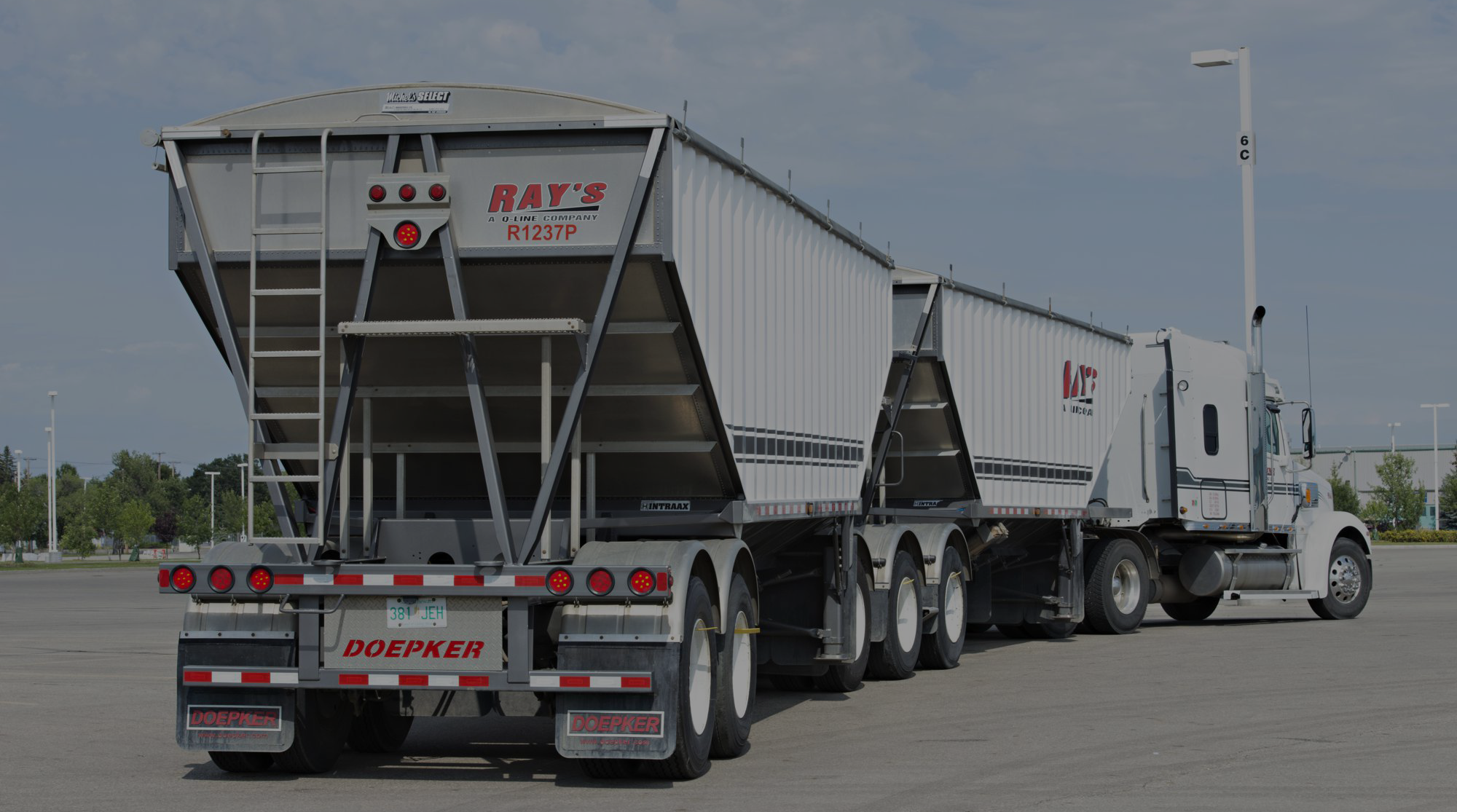
Bulk trucking solutions are crucial in improving operational flexibility within supply chains. By allowing companies to quickly adjust to demand changes, these solutions streamline transportation processes and boost overall efficiency. This adaptability goes beyond meeting customer needs but also makes the best use of resource allocation and reduces lead times.
Adapting to Demand Changes
In today’s dynamic market, businesses increasingly recognize the importance of operational flexibility to adjust to shifting demand patterns. Bulk trucking is very important in this adaptability, offering companies with the capability to expand or contract their transportation solutions rapidly. By utilizing bulk trucking, organizations can efficiently manage inventory levels and respond to fluctuations in demand without incurring excessive costs. This flexibility allows for the transportation of large quantities of goods quickly, lowering lead times and enhancing customer satisfaction. Furthermore, bulk trucking solutions can easily accommodate changes in production schedules or unexpected market shifts, guaranteeing that businesses keep a competitive edge. Therefore, adapting to demand changes through bulk trucking is essential for optimizing supply chain efficiency.
Streamlined Transportation Processes
Operational flexibility is also boosted through more efficient transportation processes that make use of bulk trucking solutions. These solutions enable businesses to optimize their supply chain by minimizing transit times and improving load management. Through the use of bulk trucking, businesses can consolidate shipments, cutting down the number of trips required and thus lowering transportation costs. Modern tracking systems allow for real-time visibility, making possible better planning and quicker response times to sudden disruptions. Moreover, the adaptability of bulk trucking makes easier easy adjustments to logistics strategies, handling fluctuating demand. Consequently, industries benefit from increased efficiency, lower operational delays, and increased overall competitiveness. Streamlined transportation processes, therefore, are vital in optimizing the advantages available through bulk trucking in supply chain management.
Sustainability Benefits of High-Capacity Transport in Supply Chain Management
High-capacity transport delivers considerable ecological benefits in logistics operations. Through shipment consolidation, it leads to lower carbon output and encourages effective fuel use. These positive effects not only contribute to green initiatives but also improve the total effectiveness of supply chain activities.
Minimizing Greenhouse Gases
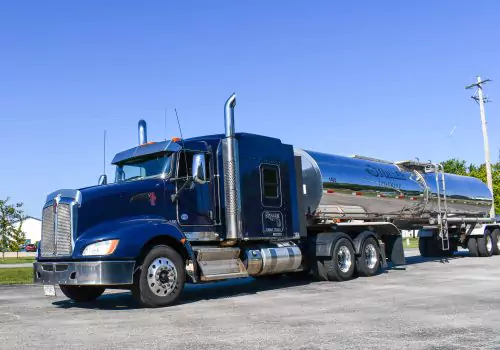
Decreasing CO2 output stands as a pivotal advantage of implementing high-capacity hauling in SCM. By hauling more items using fewer runs, bulk trucking greatly reduces the amount of trucks required. This consolidation not only minimizes traffic congestion but also causes a smaller collective footprint. Furthermore, bulk trucking often allows for more streamlined routes, further lowering the environmental cost tied to transport activities. Less frequent hauling contributes to less fuel consumption, resulting in a decrease in harmful air pollutants. As industries increasingly prioritize sustainability, the green advantages of consolidated hauling align with corporate social responsibility goals, establishing firms as eco-friendly pioneers in their industries. Adopting high-capacity transport constitutes an important action in combating climate change.
Efficient Fuel Consumption
Improving fuel economy stands out as a major upside of bulk trucking in logistics operations. Bulk trucking reduces the number of trips required for moving high volumes of products, resulting in considerable energy reduction. By consolidating shipments, businesses reduce the aggregate fuel expenditure relative to the cargo volume. This efficiency helps decrease business expenditures but also aids in green initiatives. With a reduced truck fleet, pollutants are lessened, boosting the positive environmental effect of consolidated transport. Moreover, improvements in engine design and optimized routing strategies utilized for high-capacity hauling further improve fuel efficiency, establishing its importance as an essential component for firms seeking SCM improvements while being environmentally responsible.
Case Studies: Success Stories of High-Capacity Hauling Across Various Industries
While many sectors require streamlined logistics, bulk trucking is a vital element for success in sectors ranging from agriculture to construction. For the agriculture sector, a significant grain grower leveraged bulk trucking to simplify the movement of gathered crops, decreasing delivery periods by 30% and markedly bringing down transportation expenditures. Meanwhile, in the construction industry, a significant construction firm employed bulk trucking to ship construction materials, which enhanced project schedules and minimized setbacks stemming from material shortages. A significant drinks maker also employed bulk trucking for their essential ingredients, facilitating prompt, on-demand delivery that boosted production effectiveness. These case studies illustrate how bulk trucking not only streamlines logistics but fosters collaboration and responsiveness within supply chains (Illinois top rated Bulk Trucking). By meeting the specific requirements of every sector, bulk trucking demonstrates its status as a priceless asset, driving operational success and competitive advantage throughout different fields
Tackling Issues in Bulk Trucking Operations
Because the requirement for bulk trucking is constantly rising, several difficulties surface that logistics businesses must competently overcome. A major obstacle is the inconsistency of regulations across different regions, which tends to complicate adherence and result in hold-ups. In addition, variations in gas prices can impact operational costs, necessitating strategic planning and budgeting.
Another challenge is guaranteeing the safety and integrity of materials being shipped in bulk, which necessitates dedicated equipment and qualified staff. Companies must also contend with scheduling and route optimization to shorten transportation periods while maximizing efficiency.
Furthermore, a lack of drivers worsens these problems, making it critical for logistics firms to invest in training and retention strategies. By addressing these challenges through innovation, technology, and effective management practices, companies can enhance their bulk trucking logistics and guarantee a seamless supply chain experience for their clients.
Future Developments: How Bulk Trucking is Shifting in Supply Chains
Despite the fast-paced changes in supply chains, bulk trucking remains an essential component, modifying itself to satisfy the developing requirements of industries. Bulk trucking's future is defined by tech improvements, like automation and instantaneous tracking, enhancing efficiency and transparency. This evolution allows for optimized routes and reduced delivery times, leading to a more durable logistics network.
Eco-friendliness is also emerging as a high priority, with businesses actively searching for green shipping alternatives. Vehicles using electric and alternative fuels are expected to have a major role, lowering the environmental impact linked to bulk shipping.
Moreover, the integration of data analytics allows businesses to anticipate market shifts and adjust their bulk trucking strategies accordingly. Given the continued expansion and internationalization of sectors, this sector is anticipated to become a highly flexible and responsive operation, cementing its role as a foundation of current supply chain management.
Commonly Asked Questions
What Goods Are Usually Hauled Via Bulk Trucking?
Products frequently transported by bulk carriers encompass produce like grains and fertilizers, industrial materials such as chemicals and plastics, and food items including liquids and powders (Illinois top rated Bulk Trucking). Such materials necessitate effective, high-volume shipping methods
In What Way Does Bulk Trucking Influence Shipping Times for Businesses?
Bulk trucking considerably reduces delivery times for businesses through the consolidation of high volumes of product, streamlining travel paths, and making sure loading and offloading are efficient, thereby simplifying logistics and enhancing overall logistical effectiveness in various industries.
What Safety Regulations Govern Bulk Trucking Operations?
Safety regulations governing bulk trucking operations include guidance from the Federal Motor copyright Safety Administration, vehicle maintenance standards, HAZMAT handling guidelines, requirements for driver certification, and allowable weight thresholds, guaranteeing secure shipping methods and lowering road safety concerns.
How Should Businesses Pick the Ideal Bulk Trucking Provider?
Businesses are able to find the right partner by reviewing their discover here background and history, safety record, service reliability, fee schedules, and client feedback. Ensuring transparent communication and grasping the unique requirements of their logistics is critical.
Which Digital Tools Are Applied in Bulk Trucking Operations?
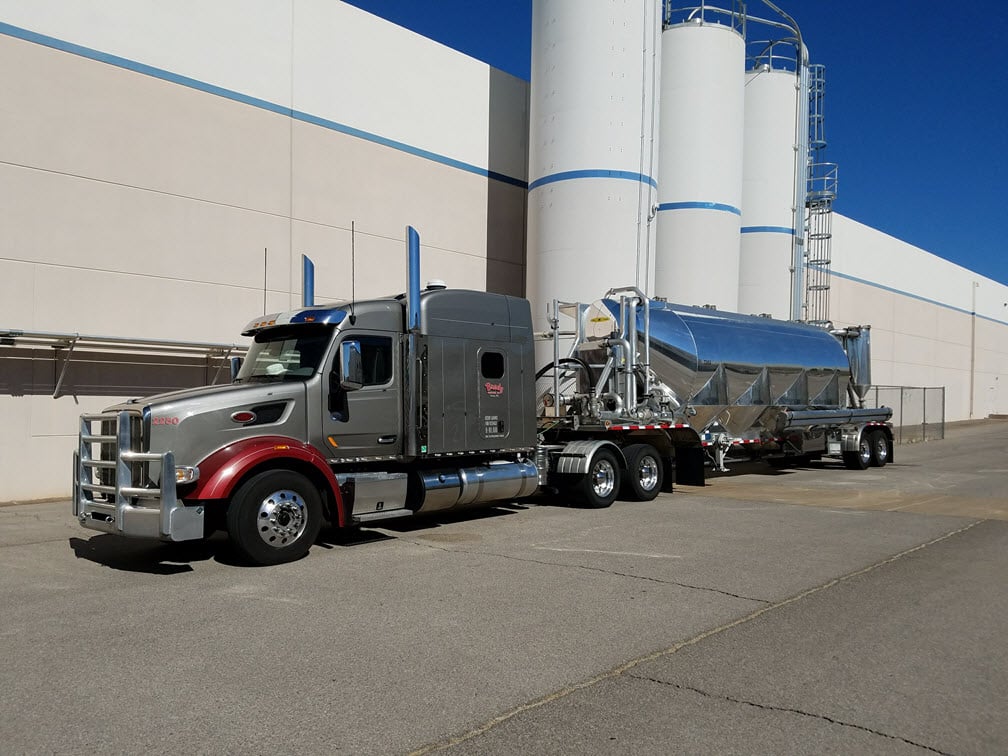
Different types of tech, including location tracking, telematics, software to optimize travel paths, and stock control systems, are utilized in bulk trucking logistics management to enhance efficiency, track how vehicles are operating, and streamline communication between shippers and carriers to achieve better results.